

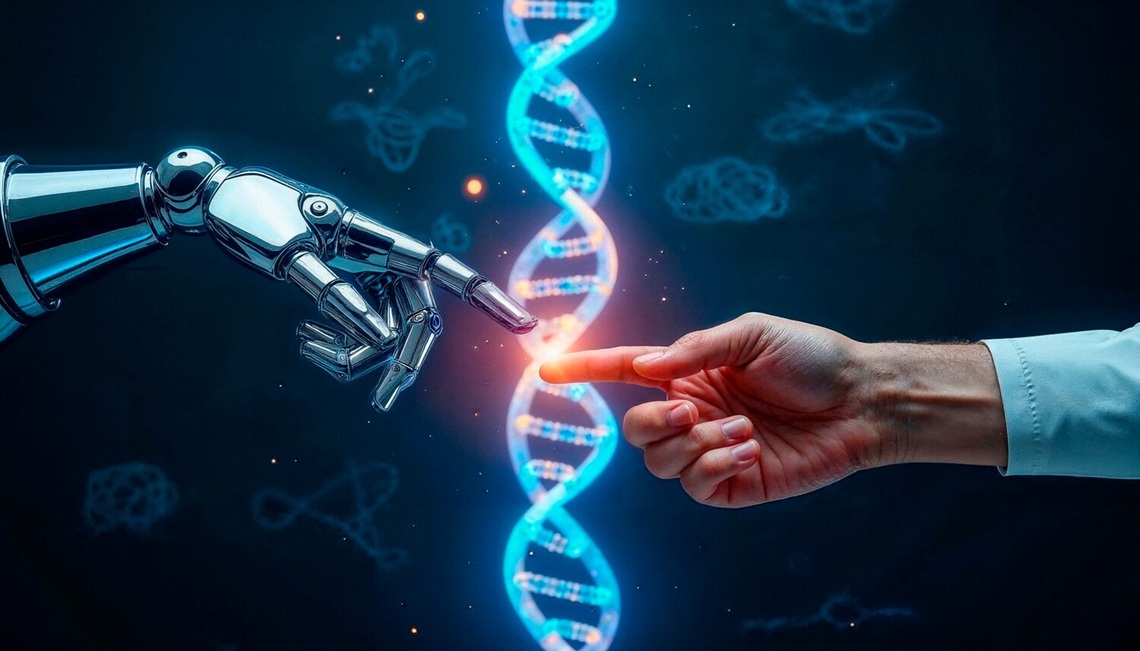
This goes without saying that the pharmaceutical industry is evolving rapidly in the present era, & artificial intelligence (AI) is at the heart of this particular transformation. From the aspects of drug discovery to the marketing of pharmaceuticals, AI is undeniably becoming the most essential tool to improve precision, speed, & also personalization. For B2B pharmaceutical marketing in India, where more and more companies very closely engage with healthcare professionals (HCPs), hospitals, distributors, & other businesses, AI offers several new, advanced & effective ways to create the most meaningful connections & ultimately deliver the desired measurable results.
The vast and perpetually growing pharma market in India is poised for massive growth, expected to reach $130 billion by 2030. However, the existing competition is highly fierce, & the different traditional marketing methods often struggle to keep the desired pace with the rapidly increasing demand for digital transformation. More & more progressive companies are now shifting from generic, traditional, one-size-fits-all marketing drives & campaigns to specifically data-driven, & highly targeted strategies. In the contemporary strategies, AI is the catalyst that largely enables this particular shift.
This article aims to explore how AI is revolutionizing B2B pharmaceutical marketing in India. It covers different challenges of traditional approaches, key AI technologies, & numerous practical applications across the marketing funnel, real-world use cases & case studies, benefits, risks, & a clear roadmap to successfully implement AI in your marketing strategy.
The Challenges of Traditional B2B Pharma Marketing
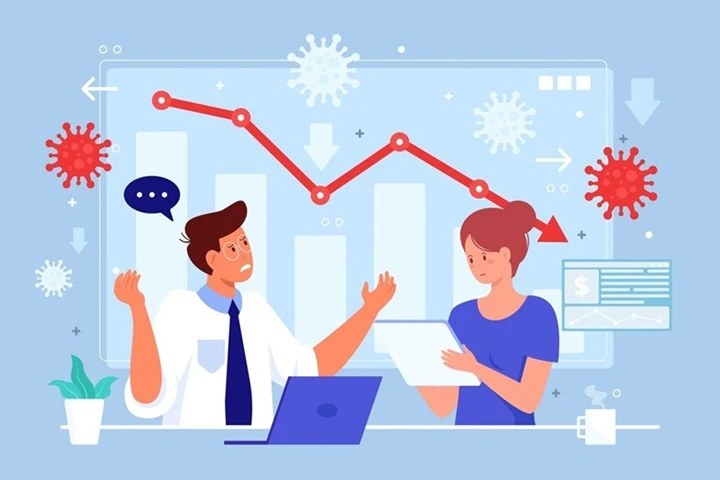
Traditional B2B pharmaceutical marketing has long relied on a series of manual and time-proven processes in the yesteryears which majorly included numerous field-based interactions, & certain methods of conventional outreach like as in-person meetings, distribution of printed materials, & setting up email campaigns. While all of these strategies once served their purpose to a large extent, the evolving digital landscape, the substantially rising competition, & the ever-increasing demands from the community of healthcare professionals (HCPs) have largely exposed their significant limitations.
Siloed Data & Limited Personalization
One of the biggest & very common hurdles when it comes to traditional pharma marketing is the availability of fragmented or scattered data. Information is often scattered or collected from numerous sources across multiple systems which includes reports of the field sales representatives, customer relationship management (CRM) platforms, event databases, & also extensive marketing lists. This lack of integration often results into certain silos that make it very difficult to build a unified view of HCPs or institutions. As a result of the same, marketers perpetually struggle to deliver the most personalized, relevant content at the right time, leading to a series of missed engagement opportunities.
Regulatory Constraints & Compliance
The vast and thriving pharmaceutical industry is well-governed by certain strict regulations that are related to marketing claims, data privacy, & promotional practices. In traditional setups, certain frequent compliance checks are usually manual & very lengthy processes, delaying the final approvals of the campaigns & time-to-market. This particular reactive approach often leads to most cautious, & generic messaging instead of dynamic, & well-tailored communication.
Sales & Marketing Misalignment
Another most likely & a very critical challenge is the disconnect that persists between sales & marketing teams. Without seamless collaboration, lead nurturing becomes very inconsistent, & follow-ups may also lack context or timing.
Common Issues Include:
- The usage of manual CRM processes considerably slow down the overall efficiency of the campaigns.
- It has been noticed that there is ineffective & inadequate HCP engagement with low level of responsiveness.
- Also, there is slow adoption of different modern digital tools
- There are high costs of campaigning involved with uncertain return on investment
Key AI Technologies Transforming Pharma Marketing

Artificial Intelligence (AI) is not a single tool but a robust & dynamic ecosystem of technologies that are strongly revolutionizing how B2B pharmaceutical companies plan, execute, & measure their marketing efforts as per the modern trends & requirements. By automating numerous repetitive tasks, analyzing massive and large datasets, & enabling hyper-personalized interactions, AI largely helps a lot of marketers, healthcare professionals (HCPs) & institutions more effectively. Below are the most impactful AI-driven technologies that are witnessed to transform pharma marketing in today’s times:
Natural Language Processing (NLP)
NLP likely allows companies to thoroughly understand the unstructured data like as emails, online conversations, & data from feedback forms. It largely helps to analyze the sentiment of HCPs, identify various trending topics, & tailor communication accordingly.
Impact:
It enables highly relevant, context-aware messaging that strongly resonates with individual HCP needs.
Machine Learning (ML)
ML algorithms have the potential to process vast datasets to uncover patterns, predict behaviors, & score leads based on the potential of conversion. This largely helps teams to prioritize high-value prospects & reduce missed opportunities.
Impact:
It leads to improved targeting, reduced lead leakage, & more efficient resource allocation.
Chatbots & Virtual Assistants
These AI-powered tools are helpful in providing instant support, addressing a large number of pre-sales inquiries & offering 24/7 assistance to HCPs as per their requirements.
Impact:
It leads to faster response times, higher engagement, & enhanced level of satisfaction.
Computer Vision
AI-enabled image recognition can easily tag, categorize, & enhance medical images that are being used in virtual conferences, webinars, or educational marketing content.
Impact:
It improves the visual communication of numerous complex medical concepts.
AI-Powered CRMs
Advanced CRMs such as HubSpot AI and Salesforce Einstein are proven to offer dynamic segmentation, real-time personalization, as well as predictive outreach strategies.
Impact:
It creates agile marketing campaigns with the most measurable precision & high level of compliance.
Together, all of these modern and evolved technologies empower the large community of pharma marketers to move away from the generic, mass-market campaigns and choose dynamic, individualized interactions – while ensuring compliance and regulatory integrity remain intact.
AI Applications Across the B2B Pharma Funnel

The adoption and execution of Artificial Intelligence (AI) is not limited or restricted to a single stage of pharma marketing process. It’s overall impact largely stretches across the entire B2B pharmaceutical marketing funnel which includes driving awareness, nurturing consideration, & also enabling smarter decision-making. Each of these stages benefit from AI-powered tools that considerably help pharma companies of different sizes and specialities build the most meaningful connections with the community of healthcare professionals (HCPs) & institutions.
Top-of-Funnel (Awareness Stage)
The top-of-funnel is also referred to as the awareness stage and is all about visibility & first impressions. AI helps numerous pharma brands of different sizes to reach the right audience more effectively & with a higher precision.
- AI-generated Content – Tools that are powered by AI create relevant & highly informative blog posts, thought-leadership pieces, or several relevant infographics that are aligned with the interests of the targeted HCPs & prevailing trends.
- Predictive Audience Targeting – Algorithms analyze demographic, behavioural, as well as historical data with the aim to identify the ideal audiences for the purpose of ad placements.
- Automated Social Media Optimization – AI now has the full capability of scheduling social media posts at optimal times. Also, it analyses the overall performance to maximize the engagement without any kind of manual trial & error.
Impact:
Stronger presence for the brands as well as reduced wastage of marketing spend can be achieved.
Middle-of-Funnel (Consideration Stage)
At this particular stage, the prime focus largely shifts to nurturing interest & building immense level of trust with Health Care Professionals & decision-makers.
- Personalized Email Campaigns – AI has all the power and intelligence to customize content for each HCP based on their respective specialties, interactions, & patterns of content consumption.
- AI-powered Webinars – Automated scheduling, attendee reminders, & a large series of follow-up content improve the rates of participation considerably.
- Smart Chatbots – These particular Chatbots answer various scientific, regulatory, or compliance queries in real time. This results in improving the overall engagement without overloading sales teams.
- Content Recommendations – AI tracks user behavior in order to suggest the most relevant guides, studies, or product materials.
Impact:
It results in increased engagement & culminates into better-qualified leads.
Bottom-of-Funnel (Decision Stage)
In the final stage, AI takes the onus of largely accelerating conversion by prioritizing several high-value opportunities & supporting informed decisions.
- Predictive Lead Scoring – Machine learning ranks leads on the basis of their likelihood to convert, saving a lot of valuable time for sales teams.
- Hyper-personalized Follow-ups – AI also assists several sales representatives in crafting refined, timely, & context-aware follow-ups.
- AI-assisted Proposal Creation – Certain advanced AI tools are able to auto-generate proposals with built-in compliance checks, all resulting into minimizing the various prevailing regulatory risks.
Impact:
The outcome achieved is faster decision-making & improved close rates.
Benefits of AI-Driven B2B Marketing in Pharma
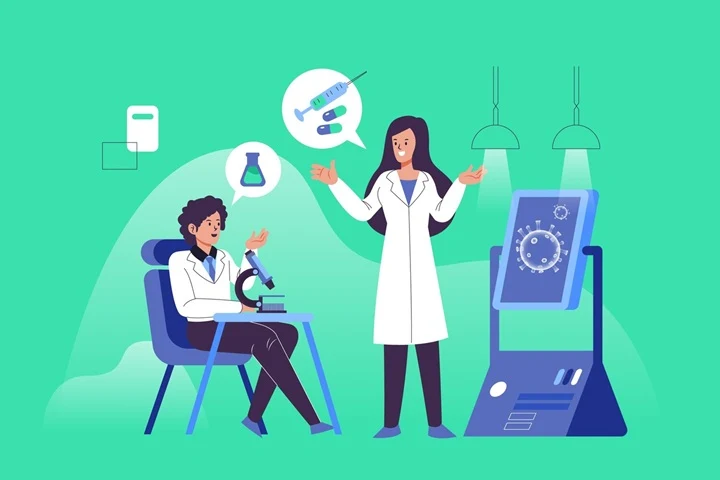
Artificial Intelligence (AI) is tremendously transforming how pharmaceutical companies approach B2B marketing. It is being done by enabling & implementing more precise targeting, implementing efficient operations, & building stronger partnerships with the large community of healthcare professionals (HCPs) at a whole. Leveraging AI-powered tools largely ensures that marketing teams not just reach the right stakeholders but also, at the same time, maximize the overall effectiveness of every engagement.
- Improved Targeting & ROI – AI largely uses several data-driven insights that helps in identifying high-value healthcare providers & institutions, ensuring that the resources are completely focused where they generate the highest & optimum level of return. Predictive analytics allows marketers to anticipate the needs & tailor strategies for the purpose of better conversion outcomes.
- Enhanced HCP Relationship Management – By thoroughly analyzing the available behavioural data & engagement history, AI seamlessly enables more personalized and highly relevant communication with HCPs. This strengthens the overall trust &, at the same time, fosters long-term collaborations.
- Reduced Marketing Waste – The traditional marketing campaigns in the pharmaceutical sector often expend resources on broad, & untargeted outreach. AI minimizes this by perpetually optimizing all the implemented campaigns, reducing the redundant spend, & enhancing overall efficiency.
- Real-time Decision-making – With the availability of real-time dashboards & analytics, marketers can now instantly evaluate the performance of their launched campaigns & take corrective actions. This particular agility specifically ensures that the strategies remain aligned with both regulatory changes as well as market dynamics.
- Scalable Automation with Compliance Checks – AI-powered automation largely supports the execution of large-scale campaigns while, at the same time, embedding certain regulatory safeguards, ensuring that the messages adhere to strict standards of pharma compliance. This particular balance of scale & compliance is highly vital in the industry.
“AI has allowed us to personalize HCP engagement at scale – something that is impossible with manual processes.” — Digital Marketing Lead, Top Indian Pharma Company
Case Examples / Use Cases in India
Example 1 – AI-Driven Email Personalization for HCPs
Strategy Used
A leading Indian pharma company reportedly integrated AI-powered segmentation & natural language processing to personalize their email campaigns for healthcare professionals (HCPs). Instead of sending across some generic newsletters, the system intelligently analyzed patterns of prescription, different specialties, & prior engagement to craft targeted subject lines, timing, & content for each doctor.
Outcome
The achieved results were striking, with a 35% increase in the email open rates and a 20% rise in terms of lead conversions. The strategy of personalized engagement not just boosted the campaign’s overall effectiveness but also enhanced trust, as HCPs felt that the communications they received were genuinely relevant to their practice areas.
Example 2 – Predictive Analytics for Sales Targeting
Strategy Used
Another major pharma player was reported to significantly deploy AI-based predictive analytics with the goal of achieving refined field force deployment. By analyzing the available historic sales data, various geographic trends, & physician prescribing behavior, the system recommended which territories & accounts sales reps should prioritize.
Outcome
This approach strongly accelerated the process of decision-making & significantly improved sales rep productivity. Representatives were equipped with data-backed insights, reducing those wasted visits & maximizing high-potential interactions. Over time, this also led to better territory coverage & more strategic allocation of resources.
Before vs. After AI Adoption – Performance Metrics Comparison

|
Metric |
Before AI Adoption |
After AI Adoption |
|---|---|---|
|
HCP Email Open Rate |
18% | 24% (+35%) |
| Lead Conversion from Emails | 10% |
12% (+20%) |
|
Sales Rep Decision Time |
3 to 5 days | Real-time |
| Rep Productivity | Moderate |
High (↑ efficiency) |
These examples specifically highlight how AI is significantly enabling Indian pharma companies to strongly optimize engagement & operations, making the entire marketing drive more data-driven & all the more effective.
Risks & Ethical Considerations in Using AI in Pharma Marketing
While Artificial Intelligence optimally offers several transformative opportunities for B2B pharma marketing, it also, at the same time, introduces several risks & ethical concerns that must be carefully addressed to maintain trust, compliance, & accountability.
Data Privacy & Compliance
Pharmaceutical marketing invariably involves handling very large volumes of sensitive healthcare & professional data. Mishandling this large volumes of data or failing to comply with the prevailing regulations such as HIPAA, GDPR, or India’s upcoming Digital Personal Data Protection Act can also result in very serious legal penalties, irreparable reputational damage, & loss of stakeholder trust. Robust encryption of data, consent management, & transparent data practices are highly essential.
Over-Reliance on Automation
AI systems are strategically designed to optimize the various processes, but depending solely on the algorithms can surely overlook several critical nuances in HCP relationships or market dynamics. Over-automation may lead to generic, & impersonal interactions that may alienate the healthcare professionals rather than engaging them.
Maintaining Human Oversight
AI should ideally act as an enabler, & not at all a replacement for human expertise under any circumstances. Strategic decisions, the tone of messaging, & compliance validation must surely remain under human supervision in order to avoid any kind of potential errors, biases, or certain kinds of ethical lapses. Transparency in how AI models usually work & how several decisions are being successfully derived. It is the key to maintain credibility.
While AI can scale your pharma marketing, ethical guardrails must evolve equally fast.
By adopting the approach of proactively managing these risks, pharma companies can very fruitfully & responsibly harness AI while ensuring the prevailing regulatory adherence, ethical marketing practices, & stronger long-term relationships with their audiences.
How to Start Integrating AI into Your B2B Pharma Marketing Strategy?

Adopting Artificial Intelligence and integrating the same in B2B pharma marketing does not always mean overhauling your entire existing ecosystem overnight. The most successful transitions are usually phased, strategic, & strictly data-driven. A clear roadmap always ensures smooth integration with the minimal level of disruption.
Step-by-Step Roadmap
Audit Your Current Digital Infrastructure
You may begin by thoroughly evaluating your existing systems – tools of marketing automation, CRM, & data pipelines. It is crucial to identify the data silos, outdated workflows, & existing gaps in digital readiness.
Identify High-Impact AI Tools
You should also ideally choose platforms that align with your objectives well. The options include HubSpot AI, Salesforce Einstein, Adobe Sensei, or pharma-specific solutions that relevantly cater to compliance as well as medical marketing requirements.
Start with Pilot Campaigns
Firstly, it is required to launch AI-driven initiatives in a highly controlled & scrutinized environment. Target a select group of healthcare professionals (HCPs) or key institutions with the aim to measure the overall impact without any large-scale risks being involved.
Collaborate with Cross-Functional Teams
Integration is indeed most effective when sales, marketing, compliance, & IT are integrated & work together seamlessly. This particular alignment prevents silos & also ensures adherence to all the necessary regulatory frameworks.
Monitor, Iterate, & Scale
It is wise to use predefined KPIs – rates of engagement, lead conversion, compliance accuracy – to refine your overall strategy. You should gradually plan to scale AI adoption across various regions & channels once the pilot demonstrates the desired success.
Conclusion
AI is not a futuristic concept any further – it is reshaping B2B pharmaceutical marketing in India today. From improving targeting to personalizing HCP engagement, AI offers a highly competitive edge in an increasingly complex market. Several companies that adopt AI now will be better equipped to strongly handle the evolving customer expectations, regulatory landscapes, as well as market dynamics.
Ready to future-proof your pharma marketing with AI?
Contact us for a free strategy session & discover how AI can help your brand thrive.
